
Vein-Cut vs Cross-Cut Travertine: A Project Buyer’s Guide
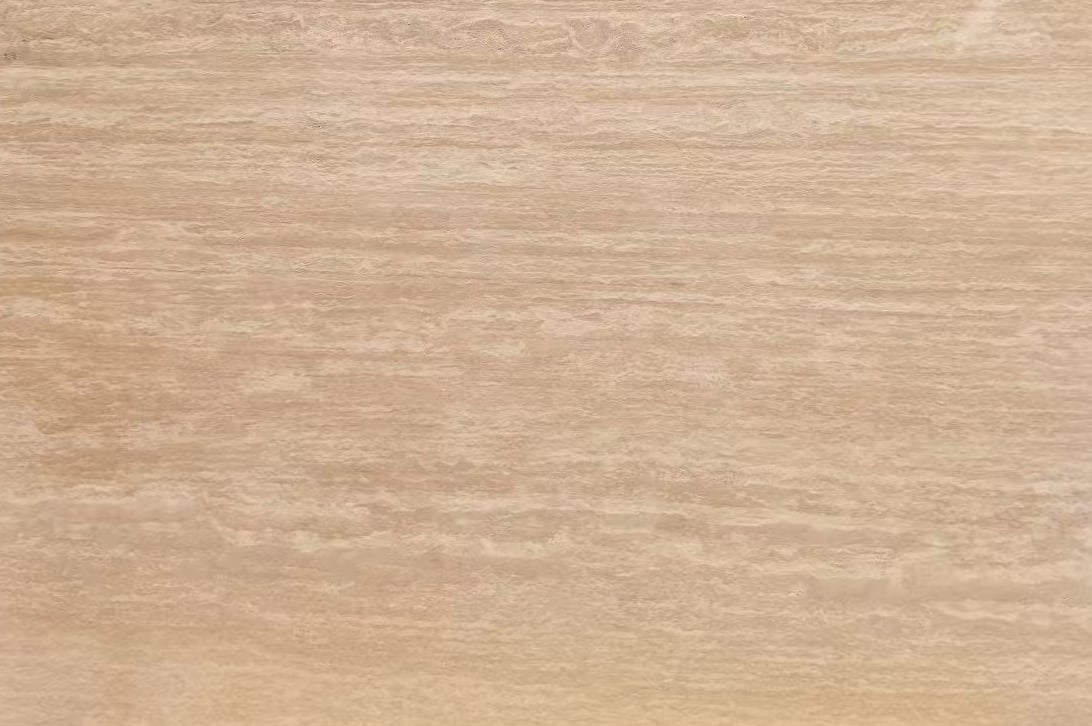
Two pieces sold as beige travertine can create very different rooms. Cut direction changes the visible pattern; filling changes the appearance of pores; the finish changes how the surface looks and feels. For an overseas order, these are separate decisions that should appear in the specification.
This guide continues our 2026 warm stone trends article with the practical questions to ask before ordering slabs, wall panels or floor tiles.
1. What is vein-cut travertine?
Vein-cut travertine is sawn across the stone’s natural layers, revealing a banded appearance. The Natural Stone Institute’s travertine guide describes its layered formation and the relationship between cutting and texture.
Use the visible banding to plan the room. On a wall, decide whether the lines run vertically or horizontally. On adjacent panels, review how the bands meet at the joints. Ask the supplier to mark the orientation on both the cutting drawing and the packing schedule.

2. What is cross-cut travertine?
Cross-cut, also called fleuri-cut, is cut approximately parallel to the bedding. It typically gives a more cloud-like or mottled appearance instead of the longer bands associated with vein-cut material. The actual result depends on the block.
Compare several current slab or tile photos for each option. Do not assume that cross-cut means perfectly uniform or that vein-cut guarantees continuous lines. For a large floor, request a sample layout containing enough pieces to show the intended variation.
| Decision | Vein-cut | Cross-cut |
|---|---|---|
| Typical visual direction | Linear banding | Cloud-like or mottled pattern |
| Layout priority | Band direction and adjacent-piece alignment | Distribution of tone and pattern across the area |
| Approval request | Full slab and marked cutting orientation | Full slab or multi-piece batch layout |
3. Filled and unfilled are separate choices
Travertine naturally contains voids. Filling reduces the visible openings; leaving them unfilled retains more of the porous appearance. Specify the filling material, colour and acceptable visible pores instead of using “smooth travertine” as the whole brief.
Ask for close photographs and a finished sample. On a working floor or frequently cleaned surface, discuss how the pores and filling will be maintained. For wet or exterior applications, ask the project designer and installer to assess the specific stone and filling system against exposure and local requirements.
4. Choose the finish for the application
Honed, polished and textured finishes should be approved separately from cut and filling. Request the finish that is actually available for the batch and intended product. A honed appearance alone does not establish wet slip resistance.
For floors, request appropriate testing and installation guidance. For wall cladding, confirm the fixing design and panel requirements with the responsible professionals. For furniture, show the edges, joints and support in the fabrication drawing rather than assuming a slab photo defines them.
5. Agree on variation before production
Create a small approval record: material name, batch reference, cut direction, finish, filling and photographs of the accepted range. If some panels must form a feature wall, identify those pieces separately from less visible areas.
For example, a useful brief is: “Beige travertine wall panels; vein-cut; bands horizontal; filled and honed to approved sample; dimensions and quantities per drawing; current batch and layout approval before cutting.” Add the exact thickness, fixing requirements and permissible tolerances once the project team has confirmed them.
6. Include care in the handover
Travertine is calcite-based and sensitive to common acidic substances. The Natural Stone Institute also notes its porous character. Ask for a compatible cleaning and sealing plan; sealing does not prevent acid etching.
Give the care instructions to the people maintaining the building. Record the approved filling and surface finish so later repairs can be discussed against the original specification. Keep a spare sample and, where agreed, spare pieces from the order.
Frequently asked questions
Is vein-cut stronger than cross-cut?
Pattern direction alone is not sufficient to decide performance. Assess the specific material, piece dimensions, thickness, support and application with the project professionals.
Can I mix both cuts in one project?
Yes, as a design choice. Approve each area and finish separately, and label the piece schedule so the supplier and installer can follow the intended layout.
Will filling make travertine suitable for every countertop?
No. Filling does not change its acid sensitivity. Discuss the expected use and care before selecting it for a demanding work surface.
Explore our travertine slab collection and stone ordering FAQ, then send the proposed specification for review.
Get a quotation for your stone project
Xiamen Leide Stone Co., Ltd. is based in Xiamen, Fujian, China and welcomes overseas trade enquiries. Send your product name or LD model, drawings, dimensions, thickness, quantity, finish and destination country or port through our project quotation form. Email business@ledestone.com or contact us on WhatsApp: +86 15980984867.
Availability, production scope, packing, freight and delivery timing are confirmed for each enquiry. Review the agreed specification and trade terms and delivery arrangements before placing an order.
Written by Xiamen Leide Stone Co., Ltd. · 14 October 2026. Catalogue images illustrate material appearance; they do not guarantee the current batch or establish project suitability.