
Marble vs Granite vs Quartzite Countertops: How to Choose
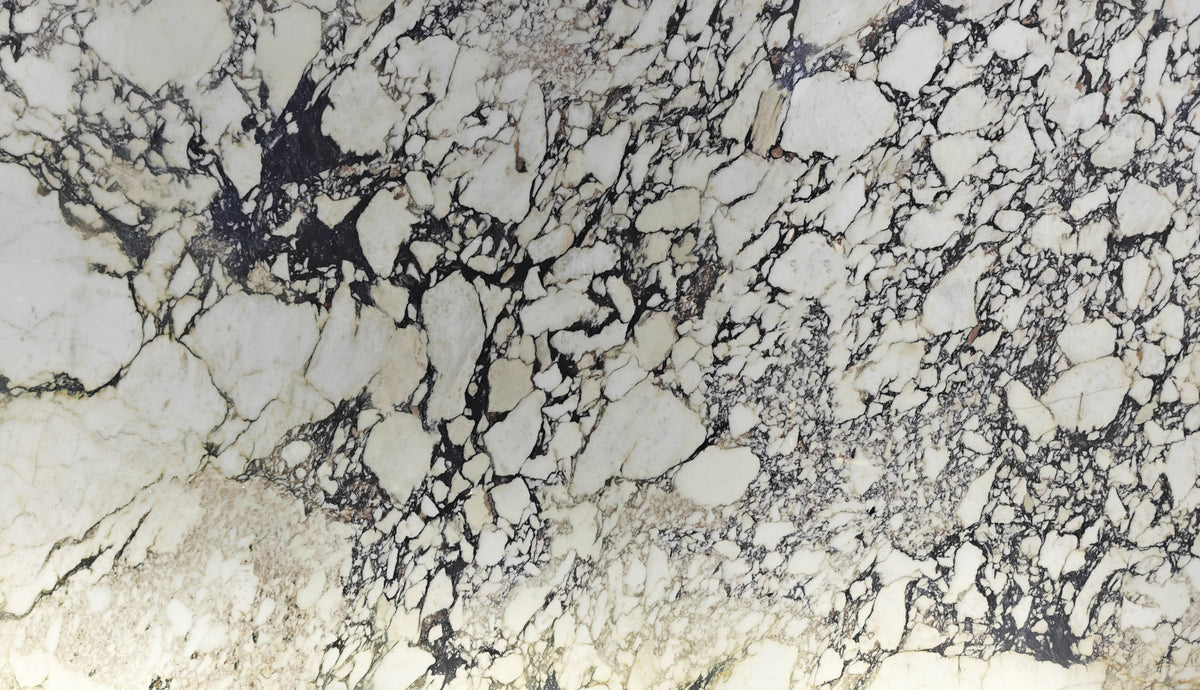
Choose a countertop by its material identity, daily use and maintenance expectations before deciding on colour. Marble offers distinctive veining but requires acceptance of acid etching. Granite and genuine quartzite are often considered for demanding kitchens, yet the exact stone, finish and fabrication details still need review.
For overseas buyers, the useful question is not “Which stone is best?” It is “Which verified material can meet this project's appearance, care and installation requirements?” This guide compares natural stone categories, not engineered quartz or sintered surfaces.
Start with the way the countertop will be used
A hotel vanity, family kitchen and reception counter have different priorities. List likely spills, cleaning products, frequency of use and whether changing surface character is acceptable. Share those requirements with the designer, fabricator and supplier before selecting a slab.
For example, a buyer who wants a pristine polished surface and frequently prepares citrus-based food should discuss marble's acid sensitivity early. A client who welcomes a developing patina may make a different choice. An attractive website photograph cannot settle that decision.
| Material | Why consider it? | What needs confirmation? |
|---|---|---|
| Marble | Veining and a broad range of decorative appearances | Acceptance of etching, wear and the proposed care plan |
| Granite | A wide choice of patterns for frequently used surfaces | Actual composition, finish, absorption and fabrication condition |
| Natural quartzite | Quartz-rich natural patterns for a kitchen shortlist | Material identity, porosity, slab treatment and cutting requirements |
Marble: approve the care expectations as well as the pattern
Many marbles contain acid-sensitive carbonate minerals. Etching changes the surface finish; it is different from a stain that penetrates the material. A sealing treatment should not be treated as protection against acid damage. Polished and honed finishes can show marks differently, but neither changes the stone's composition.
Review a representative sample under the intended lighting. Ask how routine cleaning and future surface restoration would be handled. Browse our marble collection to identify a visual direction, then request photographs of the proposed batch.

Granite: assess the particular slab rather than a generic label
Granite is a useful starting point when comparing stone for regular kitchen use. Commercial names can cover materials with different mineral compositions, so avoid assuming that every product sold as granite performs identically. Ask for material-specific information where your specification requires it.
Check resin treatments, visible repairs, edge condition and finish consistency. Discuss sealing requirements for the selected stone rather than adopting one maintenance interval for all granite. Explore our granite slabs and compare the proposed pieces on the same scope.
Quartzite: verify what the name refers to
Natural quartzite and manufactured quartz are different materials. Some commercial stone names are used inconsistently, making verification important. Request evidence appropriate to the application instead of treating the catalogue name as a performance certificate.
For the actual slab, review absorption, finish and treatment information, plus any project-required testing. Ask the fabricator to assess cut-outs, narrow sections, edges and support. A hard mineral composition does not make a finished countertop unbreakable.

Compare fabrication and care on the same basis
Send the same dimensioned drawing to each supplier. Include thickness, visible edges, sink and appliance openings, seam positions and any waterfall sides. Ask whether slab selection, layout approval, packing and installation are included or excluded from the price.
Use trivets and a stone-appropriate cleaning routine. The Natural Stone Institute's care guidance explains why cleaning and sealing decisions should follow material composition. Our stone finish guide covers the next selection step.
Frequently asked questions
Which option is cheapest?
There is no reliable price ranking by category alone. Batch, slab yield, thickness, fabrication and freight can change the comparison. Request quotations against one agreed specification.
Can I choose from a small sample?
A sample helps assess colour and finish, but it cannot show every vein. Review the full proposed slab and cutting layout before approving a patterned countertop.
Should I buy slabs or finished countertops?
Confirm who will measure, fabricate, transport and install the pieces. Buying finished countertops requires approved final dimensions and drawings; buying slabs leaves fabrication to the agreed local team.
Discuss your stone project with lede
lede is the stone brand of Xiamen Leide Stone Co., Ltd., based in Xiamen, Fujian, China. Send your material reference, application, dimensions, thickness, finish, quantity and destination through our project quotation form. Email business@ledestone.com or contact WhatsApp: +86 15980984867. Availability, fabrication scope, inspection arrangements and delivery timing are confirmed for each project.
Before requesting prices, use our overseas stone enquiry checklist.
Related: Stone Colour Variation, Sample Approval and Pre-Shipment Checks.